“I have pines right against the camp and Martin pruned them without opening up the whole crown. He climbed it himself, took the deadwood out over the roof, and left the shade where it belongs. Clean job, no mess on the rock.”
“Sandra asked me to look at two leaners before the snow. One had a crack at the base I could put my hand into, so we took it down. The other was fine and I told her so. She liked that I did not push the work.”
“After the windstorm, Dave had a limb hanging over the path to the water. I cut it out and chipped the brush on site. He said the insurance photos I took made his claim simple. No fuss, just the work.”
“Ellen's cedar hedge had gone grey inside from shade. I trimmed it back to the green and explained why it will fill in slowly. She wanted it shorter, and I showed her where the limit was. Honest answer, fair work.”
Tree Disease Treatment in West Arm

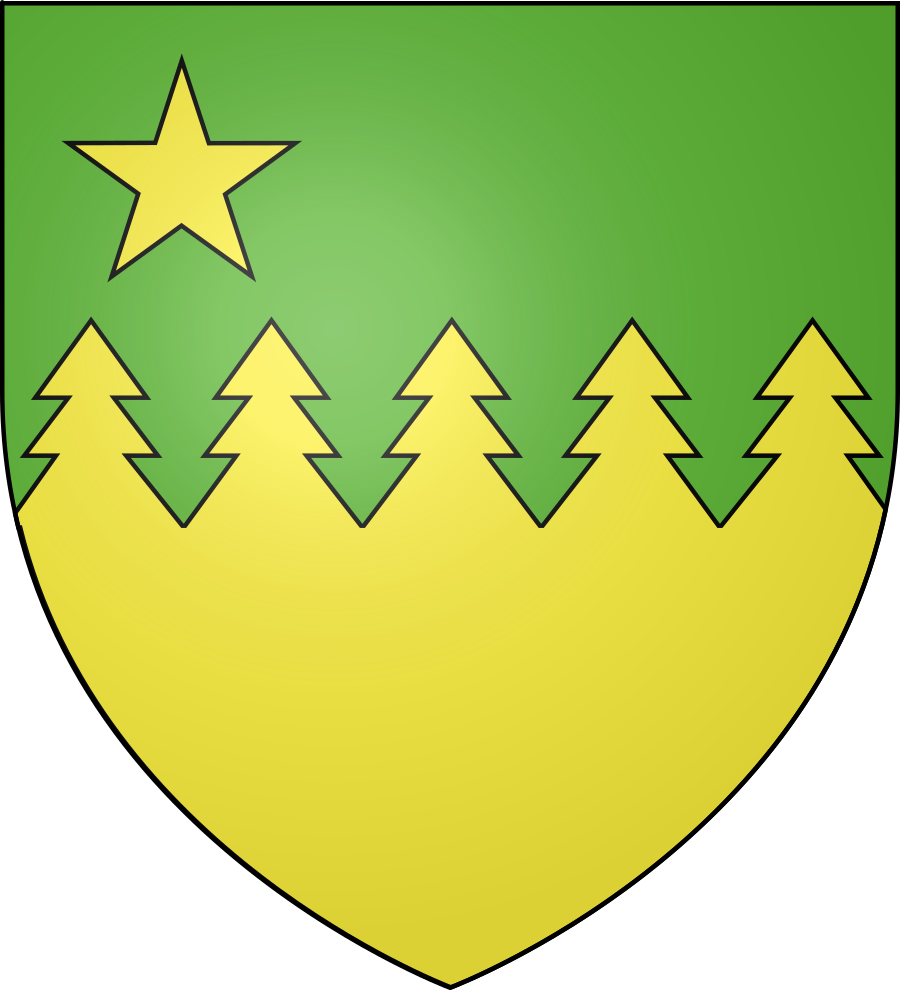
Near the water at West Arm, camps sit under tall pines on rock, and I prune them and check their roots before winter. That is the routine I keep out here, because the setting shapes the diagnosis. Trees on these lots grow in thin, acidic soil over bedrock, often within reach of the water, and the regreening work that has been healing the ground since 1978 has changed what grows and how it holds. When a pine starts dropping needles early, when bark oozes, or when the top of a birch or spruce dies back, the cause is rarely one thing. I look at leaves, bark, roots and soil together before I name a problem.
What I find at West Arm often splits into three groups. Some trouble is disease or decay, and it shows in fruiting bodies, cankers or soft wood at the base. Some is stress: drought on shallow ground, road salt carried in from the access lane, roots pinned under rock with nowhere to spread. And some is simply age or old damage that never sealed. The treatment differs. Pruning and better care can save a tree with a treatable infection. Others need targeted treatment and a season of watching. A few are better replaced, and I will tell you so plainly rather than sell you a job that will not hold.
Access matters on these waterfront lots. I walk the property first, check how the truck and chipper reach the tree, and look at what the roots are sitting in before I recommend anything. You get an honest read on the options, and the estimate is free. Call (249) 805-0584 to book yours.
Tree Trimming on the West Arm Shore

At West Arm, the camps sit low near the water, tucked under tall pines that have grown up out of rock, and that is where most of my trimming work here begins. I climb those pines myself and look at three things before I touch a branch: what hangs over the roof, what leans toward the water, and what the roots are doing in that thin soil. Pines on rock hold differently than pines in deep ground, and a limb that looks fine from the dock can be the one that loads up with snow and comes down on a porch in February. I take out the crossing limbs and the low ones, lift the crown where you need clearance for a boat, a trailer or a walkway, and shape the tree so it stays balanced through our long winters.
I prune the way the tree wants to grow. I do not top trees and I do not strip the inside of the canopy. A pine I have trimmed should still look like a pine, with its own shape and its own leader, not a hedge on a stick. Around the camps I also check the roots before the cold sets in, because shallow rooting on rock is what fails first after a freeze and thaw, and a lean that starts in November is a problem by spring. Anything heavy comes down on a rope, I chip what I cut, and I rake the shore side clean before I load the truck.
Access out here shapes the job as much as the trees do. Some lots I reach off the road, some I walk in to, and I plan the drop before the saw starts so nothing lands where it should not. I work across the Sudbury area on my own, from the first climb to the last rake, and the estimate is free. Call (249) 805-0584 and I will come out and look at your trees.
Tree Removal at West Arm, Sudbury

At West Arm, the camps near the water sit under tall pines that have grown straight out of rock, and the lots themselves are often more stone than soil. That shape of ground changes how a removal has to go. There is no room to drop a trunk and let it lie where it falls, and there is no soft earth to cushion it. So I take trees down in sections, working from the top with ropes and rigging, and I lower each piece exactly where I want it: onto a cleared patch of bedrock, into a wheelbarrow path, or straight into the back of the truck. I climb the tree myself and I set the rigging myself, because on a tight lot the person at the top is the one who decides whether a piece lands clean.
Most of what I remove here comes down for a reason I can point to. A pine has died and gone grey in the crown. A trunk has started to lean toward the camp after a winter of freeze-thaw on shallow roots. Ash has gone brittle from emerald ash borer, and a dead ash is the one I treat with the most care, because the limbs snap without warning and a climber cannot trust what he is tied into. Before I cut, I check whether the tree stands on City property or is tied to a development, since those cases carry their own rules in Greater Sudbury, and I will tell you plainly if a tree does not need to come down. If the work touches the wire from the pole to your camp, I stay back and respect the approach distances; anything on the public distribution network belongs to your local utility or Hydro One, not to me.
Once the tree is down, I chip the brush and either haul the wood away or cut it to length and stack it for you, whichever you prefer. If you are dealing with storm damage, I document what I find so you have a record for your insurer. Estimates are always free, so call (249) 805-0584 and I will come out to West Arm, look at the tree and the ground around it, and give you a straight answer.
Cedar Hedge Trimming at West Arm

At West Arm, the camps near the water sit under tall pines on rock, and the cedars I trim there have to work for their light. I prune those shoreline hedges and check their roots before winter, because the shallow soil over bedrock and the freeze-thaw cycle leave little margin. When I trim a cedar hedge, I cut the sides flat and keep the top slightly narrower than the base. That shape lets sunlight reach the lower branches, so the hedge stays green all the way down instead of going bare at the bottom. If your hedge has grown wild, I bring it back over two or three seasons rather than cutting into old wood, because cedar will not regrow from bare branches.
West Arm properties often have a narrow path between the rock and the water, and my hand tools and small chipper fit where a larger machine would not. I also clean out the brown, dead patches that winter burn and snow loads leave behind, and I check the root zone for heaving or erosion before the ground freezes. All clippings are collected and taken away. I work with cedar, pine, spruce and the occasional birch on those lots, and I time the trimming so the hedge has a chance to harden off before the cold sets in.
If you are not sure whether your hedge needs one cut or a multi-season restoration, I will tell you straight. Call (249) 805-0584 for a free estimate on the spot, and I will walk the hedge with you at West Arm and give you a clear plan.
Stump Grinding at West Arm, Sudbury

When I take down a tree near the water at West Arm, the work is not finished when the last log leaves the truck. A stump left in the lawn is a trip hazard, it breaks mower blades, and it becomes a home for insects. I grind stumps below grade with a compact machine that fits through a standard gate, so I do not have to tear up your yard to reach the back. That matters on the camps here, where tall pines stand on rock and the lawn between the water and the bush is often narrow. I have learned to read those lots before I roll in: where the ground is shallow, where roots run sideways across the path, and where a machine can turn without chewing up the moss.
I grind out the surface roots around the stump too, not just the centre, because those are the ones that catch a foot or a mower deck. After that, I leave the chips to fill the hole or haul them away, whichever you prefer. If you plan to plant a new tree, lay sod or build in the same spot, tell me before I start and I will go deeper and clean the area more thoroughly, so you are not digging out leftovers later. On the rockier properties around West Arm, that extra depth often means working around stone rather than through soil, and I will say so plainly when I see it.
I prune the pines over those camps and check their roots before winter, and that habit carries into stump work: I look at what is underground before I cut, not after. If you have a stump in the way, call me at (249) 805-0584 for a free estimate.
West Arm, as the arborist sees it
At West Arm, the camps sit close to the water, tucked under tall pines that rise straight out of the rock. I walk those properties in every season, and the first thing I look at is not the crown but the ground: where the roots have found a crack, where the moss holds moisture, where the slope sends water toward the foundation. The pines here are old and tall, and they do not forgive a careless cut. When I prune them, I work to keep the clearance over the roofline and the view open without stripping the lower limbs that shade the camp in July. Before winter, I check the roots on the leaners and the trees close to the water, because freeze-thaw on rock moves things differently than it does on clay.
What makes the work particular here is the combination of shallow rooting and the lake effect: wind comes off the water with nothing to slow it, and a pine that looks solid in August can show a crack at the base by the time the ice goes out. I see it on tour, the same pattern most years: a few limbs down after a windstorm, deadwood hanging over a path, a cedar hedge that has lost its inside to shade. I do not top trees to solve a view problem, and I will tell you when a pine is better left alone. If a removal is needed, I document the condition for your insurer and handle the cleanup. The City of Sudbury may require a permit for a private tree removal, and I can prepare the arborist report that supports that application. For a free estimate, call (249) 805-0584.