“I had three maturing pines behind the house and I was worried about wind. He climbed them, checked the unions and pruned the long limbs back. Told me two were fine and one needed watching. Straight talk, no pressure.”
“A spruce came down in a windstorm and landed across the driveway. He was out the next morning, cut it up, chipped the brush and left the rock clean. Explained what the City of Sudbury might need for the stump.”
“He ground out two old pine stumps near the shed. The grinder fit through the gate, which I did not think was possible. Cleaned the chips and left the ground level. Fair price and no surprises.”
“Our cedar hedge was ragged on one side and shading the neighbour's yard. He trimmed it straight, took the height down a little and cleaned up every clipping. He told me what to expect next season.”
Stump Grinding in Garson, Done Right

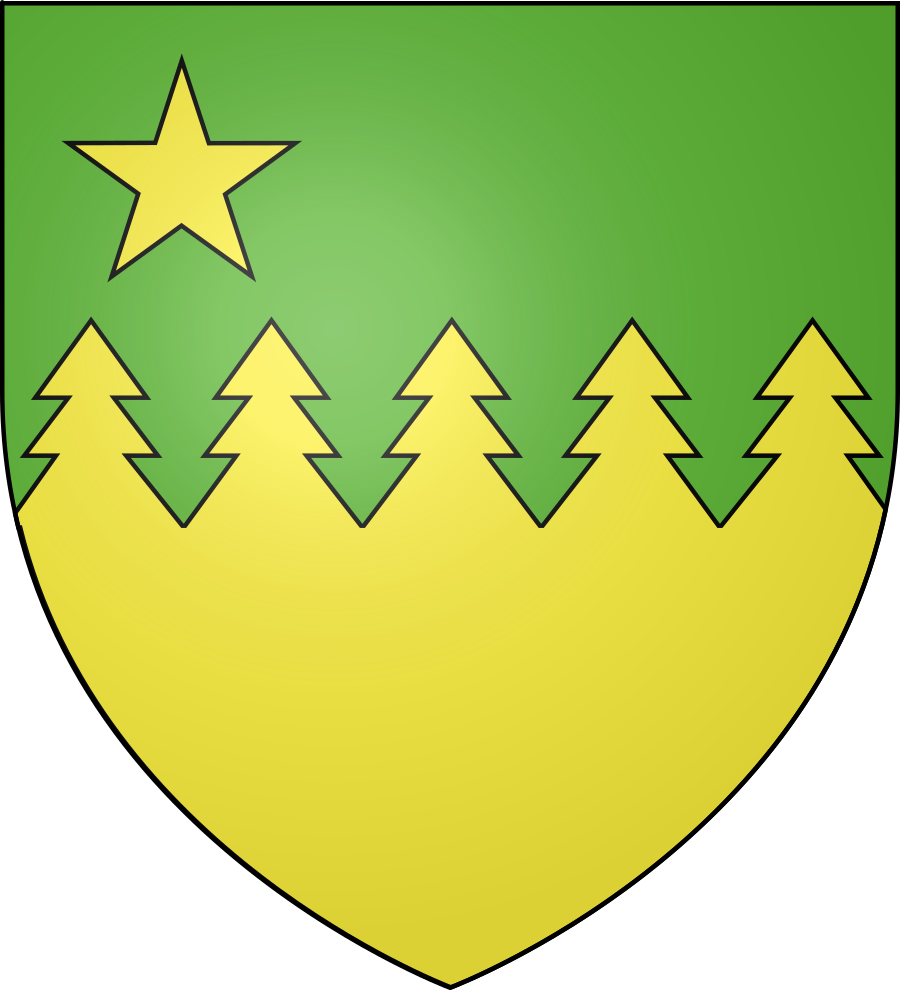
Garson sits on rock, and that changes how I approach a stump. When the regreening program limed the land and planted pines here, it left a thin skin of soil over bedrock, so a stump that looks easy to pull often has roots locked into crevices I cannot see. I grind instead of pulling, and I bring a compact machine that fits through a standard gate. That matters on the lots around Garson where the backyard is fenced, the driveway is narrow, or the only way in is a path between the house and the shed. I would rather walk the grinder in than tear up your lawn with a truck.
Before I start, I look at what is growing nearby. Those maturing pines from the regreening years are the trees I prune and check for wind risk, and their roots often run shallow across the same rock shelf as the stump I am removing. I grind the stump below grade and chase the surface roots around it too, because a root left proud of the turf will catch a mower blade just as surely as the stump did. The chips stay to fill the hole or I haul them away, whichever you prefer. If you plan to plant a new tree, lay sod, or build in that same spot, tell me first: I will go deeper and clean the area more thoroughly so you are not fighting old wood later.
Garson yards also hold a lot of insects looking for a soft place to winter, and a rotting stump is exactly that. Removing it takes away the draw and the trip hazard in one pass. I work on my own, I climb and cut myself, and I keep the site tidy when I leave. Call (249) 805-0584 and I will come out for a free estimate.
Tree Pruning in Garson, Done Right

Garson sits on rock, and that changes how I prune. The regreening program limed the land here and planted pines, and many of those pines are now maturing. I prune them with wind risk in mind, checking for weak forks and cracks before I make a single cut. Thin soil over rock means trees hold on differently than they do in deep clay, so I go lighter with my cuts and leave as much leaf area as the tree needs to stay strong.
Most of my work in Garson is health work, not cosmetic work. I remove deadwood, rubbing branches and weak forks that tend to split under heavy snow and freezing rain. On young trees I train early so they grow a strong frame instead of a future problem. I explain every cut before I make it, and I will tell you when a tree does not need the work you asked for. Late fall through early spring is my preferred window for most species here.
Access around Garson can be tight, with rock close to the surface and driveways that were not built for a chipper. I plan the drop zone before I climb, and I keep the mess contained. If a tree near your private service entrance needs clearance, I respect the approach distances and stay off the utility's lines. Call (249) 805-0584 for a free estimate.
Tree Cabling and Bracing in Garson

Garson sits on rock, and that changes how a tree grows and how it fails. The regreening program limed the land and planted pines across these lots, and those pines are maturing now. I prune them, and I check them for wind risk. On shallow soil over bedrock, a pine anchors differently than it would in deep clay, and a weak fork near the top carries more consequence when the root plate has less to grip. When you have a tree you love with a split limb or a narrow fork but sound wood around it, cabling can buy it many more years.
I climb the tree myself. I look at the union, the bark ridge, and the wood just below it, because a cable supports a tree but it does not fix rot. If the inspection shows the wood is too far gone, I tell you straight and we talk about removal instead. Where a split has already opened, I add steel bracing rods through the union. Otherwise I install flexible cables high in the crown so the limbs share the load in wind, snow and ice. The pines around Garson take ice loading on exposed rock, and a cable high in the crown spreads that weight instead of letting one fork take it all.
Access matters here. Lots off the rock are often tight, with a driveway cut into stone and a fence line close to the trunk, so I plan the climb and the rigging before the truck is parked. I come back and check my installations over time, because a cable that has gone slack tells you something. If you have a pine or a hardwood with a fork that worries you, call me at (249) 805-0584 for a free estimate.
Emerald Ash Borer Treatment in Garson

Garson sits on shallow rock, ground the regreening program limed and planted with pines. I prune those maturing pines and check them for wind risk, since a pine rooted in thin soil over bedrock holds differently than one in deep clay. Ash grows here too, in yards and along the older residential streets, and it is the tree I am asked about most. Emerald ash borer has been in Sudbury since 2019, and the City is now taking down its own ash trees across the city. That wave has not passed Garson by.
When I look at an ash on your lot, I read three things. The crown first: thinning at the top, dead twigs in the upper third, a canopy that leafs out late and thin. Then the bark, for splits and the D-shaped exit holes the beetle leaves behind. Then the trunk, for woodpecker damage, because the birds strip bark to reach the larvae and that scarring is often the first thing a homeowner notices. A healthy ash can be protected with regular injections, and I will set that schedule out plainly. An ash in advanced decline should come down before it dries out and starts dropping brittle limbs, which is a hazard over a driveway, a walkway or a roof.
I will tell you which group your tree falls into, explain what each option costs over time, and the estimate is free. If you have an ash in Garson and you are not sure what you are looking at, call me at (249) 805-0584 and I will come out and look.
Brush Chipping in Garson, One Visit, One Pile

Garson sits on rock, and anyone who has dug a bed here knows it. The regreening program limed that ground and planted pines across it, and those pines are maturing now. I prune them and I check them for wind risk, because a pine on shallow rock takes the wind differently than one in deep soil. After a storm rolls through, or after a big pruning job, the limbs stack up fast on that thin soil. That is where chipping earns its keep: I bring the machine to your property and turn the whole pile into mulch in one visit.
The pile has to be clean. Stones, wire, lumber, fencing staples, that old pressure-treated board someone leaned against the trunk, all of it has to come out before the chipper goes to work. Garson lots often back onto rock and scrub, so I look at how the truck reaches the pile and whether the chips stay put or need hauling. You can keep them for garden beds, paths, or rings around your trees, and they hold moisture well on ground that drains as fast as this. Or I haul them away. Either way beats dragging ice-storm limbs to the curb and waiting for pickup.
Tell me roughly how big the pile is, and whether it is branches, whole limbs, or a mix, and I will give you a free estimate. If you are not sure, a photo helps. Call (249) 805-0584 and we can sort out the visit.
Garson, as the arborist sees it
I work Garson the way I work the rest of the Sudbury area: one property at a time, looking up before I look down. Garson sits on rock, and you feel that the moment you step onto a lot. The regreening program limed the land and planted pines here, and those pines are now maturing. That changes the work. A pine that was a sapling when the program went in is now tall enough to matter, and its roots are still working around shallow soil over stone. When I walk a property near the community centre, I am not just looking at deadwood. I am looking at how the tree holds itself, where the wind hits it, and whether the rock under it gives the roots enough grip. In summer I thin crowded crowns so the wind can pass through instead of pushing the whole tree. In fall and after a windstorm I check the same pines for lean, cracked unions and root lift. I prune those maturing pines and check them for wind risk, and I tell homeowners plainly when a tree is fine and when it needs attention. If a removal is needed, I explain what the City of Sudbury may require for a private tree removal, and I document what I find for your insurer without ever promising a payout. I climb it myself, I chip what I cut, and I leave the lot clean.
What makes Garson particular is the mix of open rock, planted pine and the older hardwoods that came up around the houses. On a typical street I see spruce and cedar hedges holding the property line, maples and birches in the front yards, and those regreened pines standing behind them. The pines are the ones I watch. They grew fast on limed ground, and some have long limbs with little taper, which is exactly the kind of wood that fails in a windstorm. I check the unions, the lean and the soil plate. If a pine is sound, I say so and prune lightly. If it is not, I say that too. Around the arena and the community centre, the trees are close to where people park and walk, so I take the extra time to look at every limb over a roof or a walkway. I do not top trees, and I do not sell a removal that is not needed. If you want a straight answer about the pines on your lot, call (249) 805-0584 for a free estimate.